


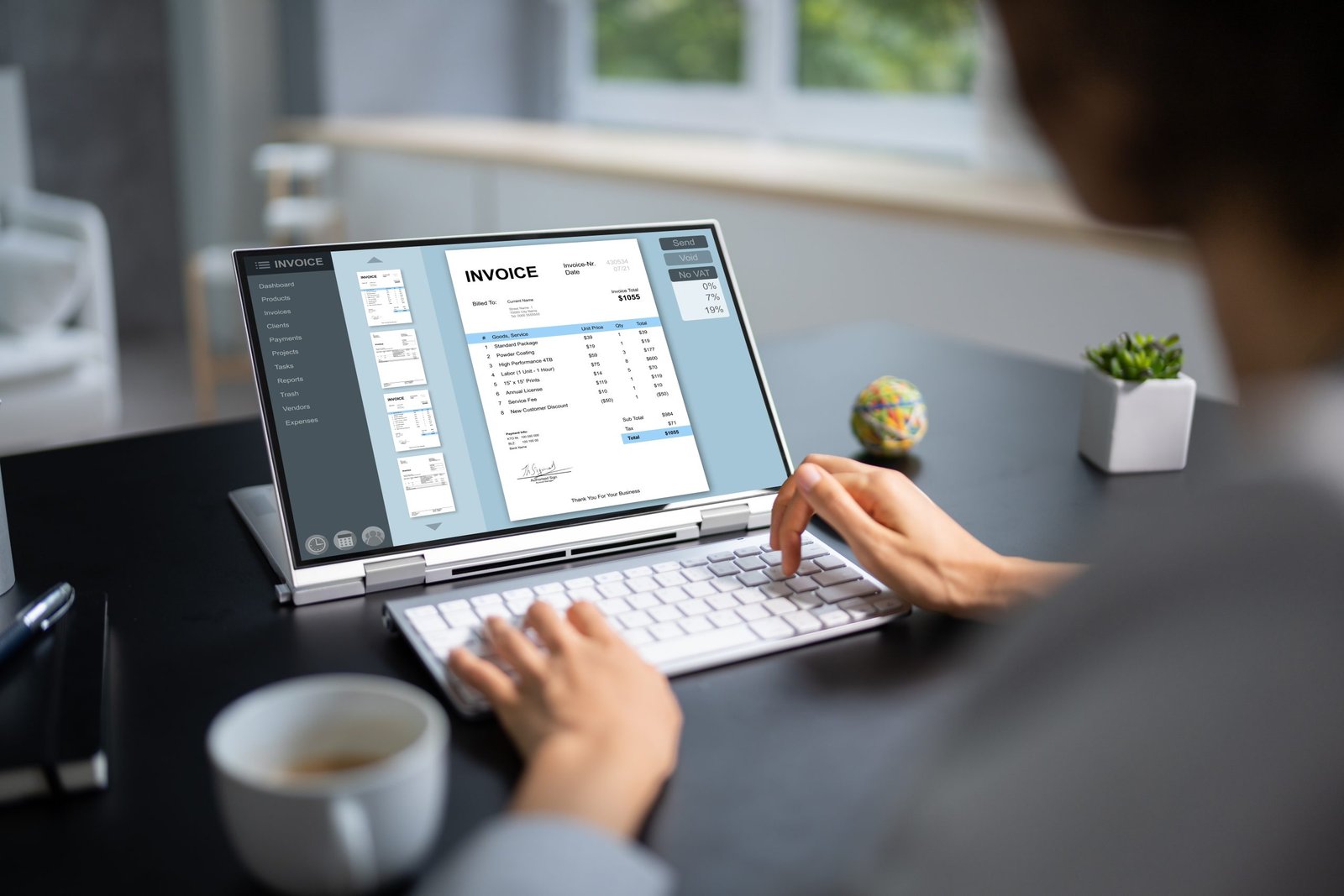
The role of the tax function has changed dramatically in recent years. What was once a back-office compliance activity has now become a strategic, data-driven function that directly influences business decisions.
In the UAE, this transformation is even more pronounced. With the introduction of VAT, evolving corporate tax requirements, and increasing digital compliance expectations, enterprises are under pressure to rethink how their tax operations work.
This is where tax technology consulting plays a critical role—helping organizations modernize outdated processes, integrate systems, and build a future-ready tax function.

Why Traditional Tax Functions Are No Longer Enough
Many enterprises still rely on legacy tax processes built around spreadsheets, disconnected ERP modules, and manual reconciliations. While these methods may have worked in the past, they are no longer suitable for today’s regulatory environment.
Common limitations include:
- Fragmented tax data across systems
- Heavy reliance on manual calculations
- Slow compliance and reporting cycles
- Limited visibility across business units
- Difficulty adapting to regulatory changes
- High risk of human error in filings
As tax regulations become more complex in the UAE and globally, these inefficiencies create both operational and compliance risks.
What Is Tax Technology Consulting?
Tax technology consulting is a specialized advisory service that helps enterprises redesign and digitize their tax function using modern tools, automation, and integrated systems.
It combines three core areas:
1. Tax Expertise
Understanding VAT, corporate tax, indirect tax, and compliance requirements.
2. Technology Enablement
Implementing tax engines, automation tools, and ERP-integrated solutions.
3. Process Transformation
Redesigning workflows, governance models, and reporting structures.
The goal is not just to digitize tax processes—but to make them smarter, faster, and more reliable.
How Tax Technology Consulting Transforms the Tax Function
1. Building a Digital Tax Operating Model
Consulting begins by assessing the existing tax structure and designing a modern operating model.
This includes:
- Centralized tax governance
- Standardized workflows
- Defined compliance responsibilities
- Automated reporting structures
A strong operating model ensures consistency across regions and business units.
2. Automating Tax Calculations and Reporting
One of the most impactful improvements is automation.
Modern tax systems can:
- Calculate VAT in real time
- Apply jurisdiction-specific tax rules automatically
- Generate compliance-ready reports
- Reduce dependency on manual spreadsheets
This significantly reduces errors and accelerates month-end closing cycles.
3. ERP Integration for Seamless Tax Flow
Enterprises in the UAE often operate complex ERP environments such as SAP, Oracle, or Microsoft Dynamics.
Tax technology consulting ensures:
- Seamless integration between ERP and tax engines
- Real-time tax validation during transactions
- Consistent data flow across systems
- Reduced duplication of effort
This integration creates a unified financial ecosystem where tax is embedded into daily operations rather than handled separately.
4. Improving Compliance and Risk Management
Regulatory compliance is a major concern for UAE businesses, especially with VAT and corporate tax obligations.
Technology consulting helps organizations:
- Maintain audit-ready records
- Track compliance in real time
- Reduce filing errors
- Align with Federal Tax Authority requirements
- Strengthen internal controls
This reduces the risk of penalties and improves transparency during audits.
5. Enhancing Data Visibility and Decision-Making
Modern tax functions are no longer just about reporting—they also provide insights.
With the right technology, enterprises gain:
- Real-time tax dashboards
- Cross-entity visibility
- Forecasting capabilities
- Better financial planning support
This transforms tax from a reactive function into a strategic business partner.
6. Supporting Regulatory Change in the UAE
The UAE tax environment is evolving rapidly, particularly with:
- VAT regulations
- Corporate tax implementation
- Digital reporting initiatives
- Upcoming e-invoicing frameworks
Tax technology consulting ensures businesses can adapt quickly without major disruptions to existing systems.
Key Benefits of Tax Technology Consulting for UAE Enterprises
Enterprises adopting tax modernization strategies experience several advantages:
- Faster and more accurate compliance
- Reduced operational costs
- Improved audit readiness
- Scalable tax infrastructure
- Better ERP alignment
- Stronger governance and controls
- Increased efficiency across finance teams
These benefits collectively strengthen overall financial operations.
Common Challenges in Tax Transformation
Despite its benefits, tax modernization comes with challenges:
1. Legacy System Complexity
Older systems are deeply embedded in enterprise architecture.
2. Data Quality Issues
Inconsistent or incomplete data slows down transformation.
3. Integration Difficulties
Connecting multiple ERPs and tax engines can be complex.
4. Change Management Resistance
Finance teams may resist new workflows and tools.
5. Regulatory Uncertainty
Evolving tax rules require flexible and adaptable systems.
Successful transformation depends on addressing these challenges early.
Future of Tax Technology in the UAE
The future of tax functions in the UAE is being shaped by advanced technologies.
Key trends include:
- AI-powered tax validation
- Continuous transaction monitoring
- Real-time compliance reporting
- Automated audit preparation
- Embedded tax intelligence in ERP systems
- Cloud-based tax ecosystems
As businesses move toward fully digital finance operations, tax will become increasingly integrated and automated.
FAQs
What does tax technology consulting do?
It helps businesses modernize their tax function using automation, ERP integration, and digital transformation strategies.
Why is it important for UAE companies?
Because UAE tax regulations require accurate, real-time compliance supported by structured systems.
Does it replace tax teams?
No. It enhances tax teams by reducing manual work and improving efficiency.
What systems are commonly integrated?
ERP systems like SAP, Oracle, and Microsoft Dynamics are commonly integrated with tax engines.
Is it suitable for small businesses?
Yes, but it is especially valuable for medium and large enterprises with complex tax needs.
Conclusion
Tax technology consulting is reshaping how enterprises manage compliance, reporting, and governance in the UAE. As regulatory requirements grow more complex, businesses can no longer rely on traditional, manual tax processes.
By adopting modern tax technologies, integrating ERP systems, and redesigning tax operating models, organizations can build a more efficient, accurate, and future-ready tax function.
In the UAE’s rapidly evolving tax landscape, this transformation is not just an advantage—it is becoming a necessity.